
Going Back to Colorado
We dig into the iconic foods of the Rocky Mountain State

When I’m thinking of state’s with rich culinary landscape, Colorado is not the first one that pops to my mind. They are killing it when it comes to to purple mountains majesty landscape, but I was having trouble coming up with even one of their iconic dishes off the top of my head. I was familiar with the burgeoning foodie scene in Denver and when I recently went I had a list of places I wanted to try, my favorite being Hop Alley. Still dreaming about their Beijing Duck Roll, consisting of smoked duck confit, hoisin and cabbage wrapped up in a scallion pancake. Amazing, but not exactly a Colorado staple.
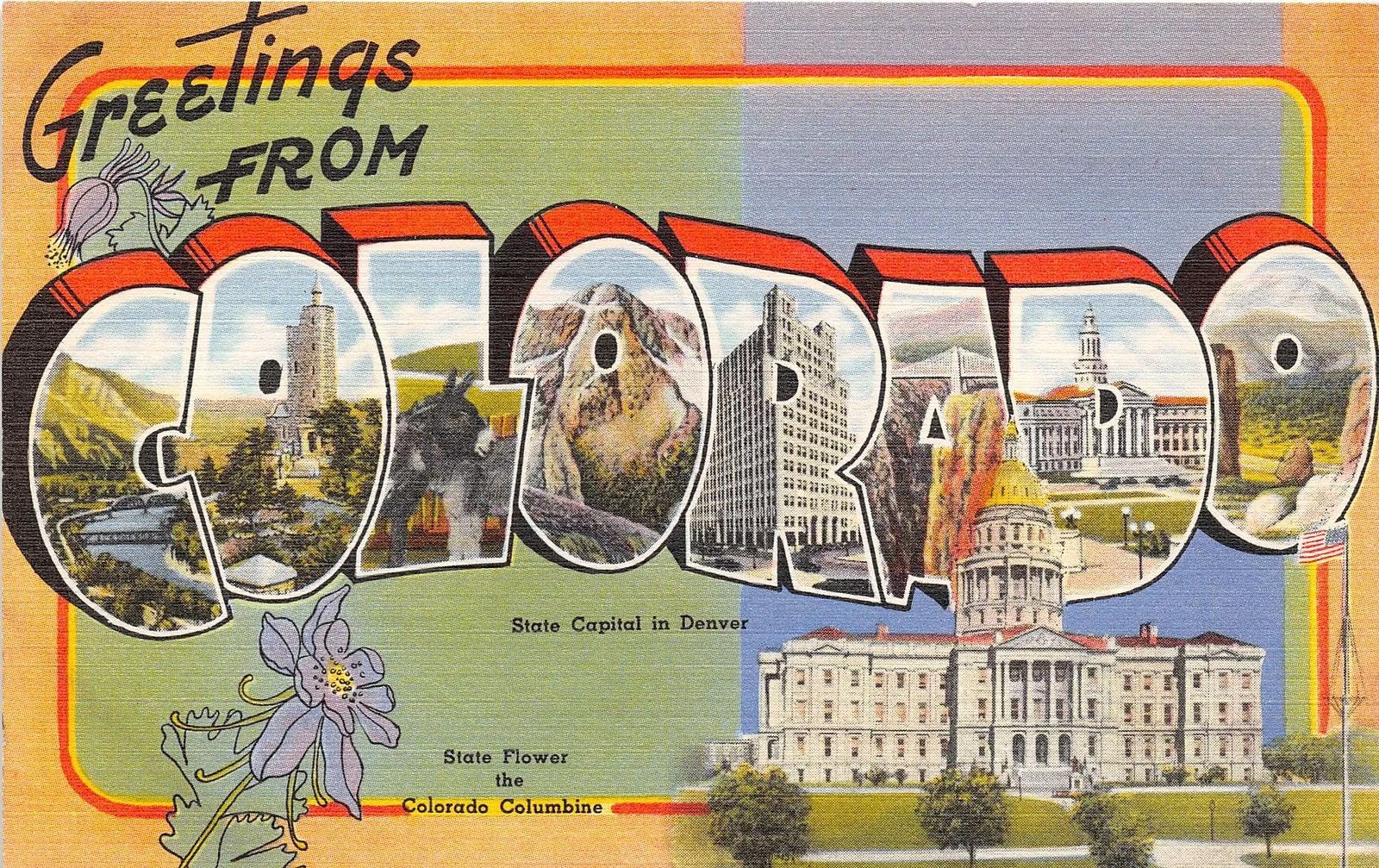
There are lots of fresh and local ingredients available in the region, obvious things like trout, lamb and elk meat, less obvious ones (to me) like sweet corn and Palisade Peaches, but what are the dishes the state is known for?
Here’s a few.
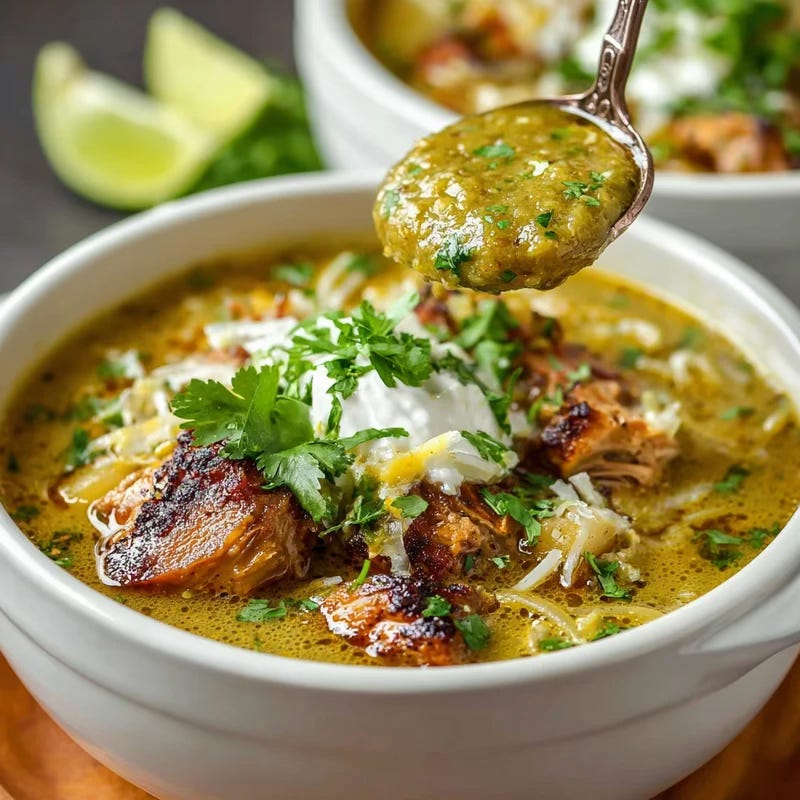
Green Chile
I am a huge green chile girlie, so when I went to Denver I knew this was the dish to look for. Unfortunately I wasn't able to score some on my short visit, but luckily, you can make it at home fairly easily.
While the hatch chile sauce originated in New Mexico, it moved North and quickly took on a Colorado spin, which grew a similar pepper called the pueblo Chile. In Colorado it typically gets some added heft with the addition of slow roasted pork. These chiles have a small window of availability starting in August, and it’s wise to buy them up and freeze them, because this stew is something you’ll want to eat all year long.
Colorado’s beloved green chile was first cultivated in the Pueblo regions of the state by the Native and South American immigrant communities as early as the 1600s and were a popular trade item amongst the tribes and hispanic population.
The sauce was initially used to smother burritos but soon the greens chile pork stew took over as an almost de facto state dish.
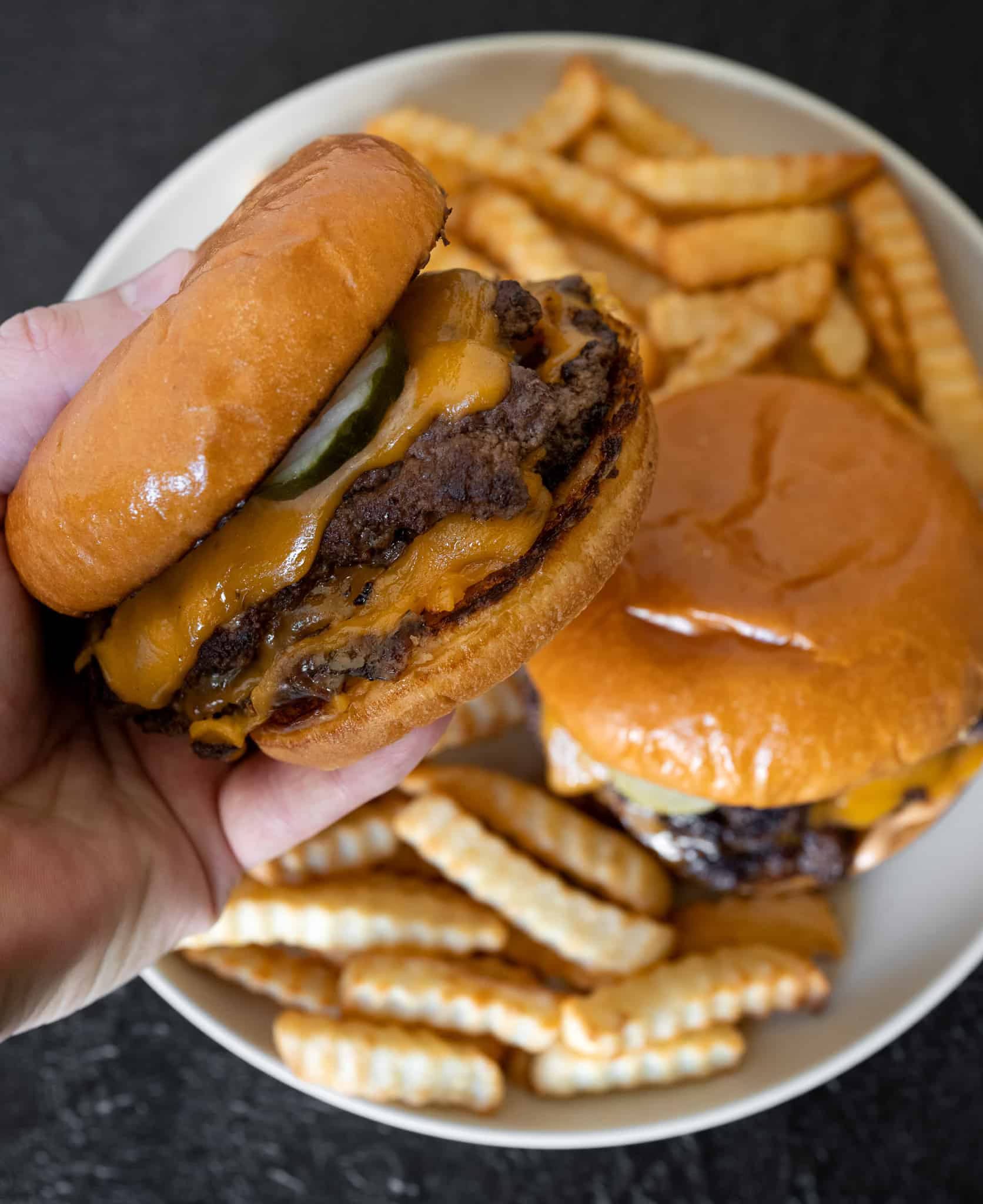
Bison Burgers
My first experience with bison burger was probably in the late 90s. Low fat was all the rage in the 90s, and bison burgers came in as a substitute for the artery-clogging beef burger.
But there is actually a far more interesting history here and as is common in our country, it has a rich and powerful industry crushing their competition.
In this case it’s the beef industry, and it wouldn’t be an American story without some colonialism.
Part of our drive to expand west, and displace indigenous people, was to get expansive cattle grazing land. This agenda also included the systematic decimation of the bison population, a resource that Native Americans relied for physical and cultural survival. The bison population was around 30 million in 1800; by 1890, 60 million head of cattle had taken their place.
Beef was not only a massive industry but became a key part of American lore, rugged individualism, cowboys living the frontier lifestyle, all of that crap. But it’s American in other ways as well, unhealthy and bad for the environment. It’s so tied together that today there is no better way to show you are “anti-woke’ than to advertise how everything you cook is deep fried in beef tallow.
But Smaller scale farmers and ranchers began to reintegrate bison into the American diet, not only for health reason but to revive the prairie ecosystem. Hence the rise in popularity of the bison or buffalo burger.
Denver Omelet
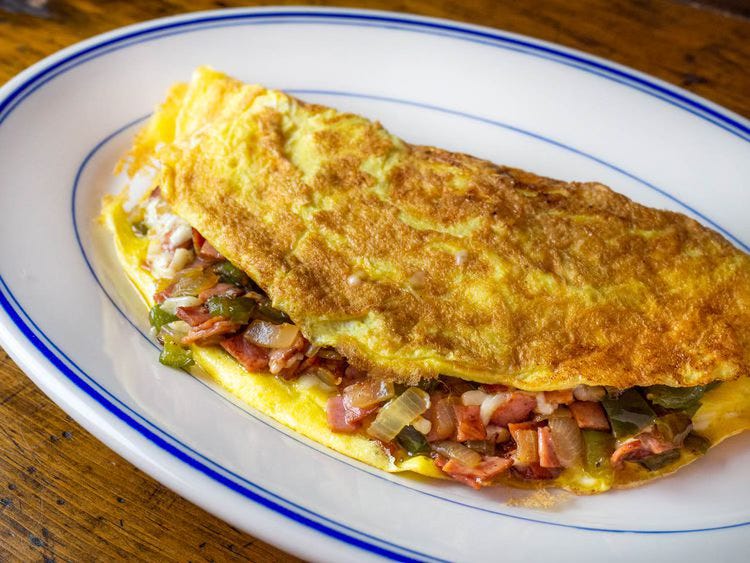
Ham, onions, peppers and cheese the Denver Omelet is breakfast menu staple. But before it was an omelet, it was a sandwich. Popular for much of the 20th century, with its heyday coming in the 1950s, the origins off the sandwich and the omelet are much debated.
One theory is that the ingredients full egg dish was a way for pioneer women to mask the taste of spoiled eggs. Some say an Italian immigrant began selling the sandwiches from a cart on a Denver street corner in 1893. Another theory is that the dish is an offshoot of egg foo young, invented by Chinese immigrants to serve laborers on the transcontinental railroad.
Whatever the origin, I think we can all agree the dish is a near perfect combo that’s easy to make anytime.
Colorado Mountain Pie
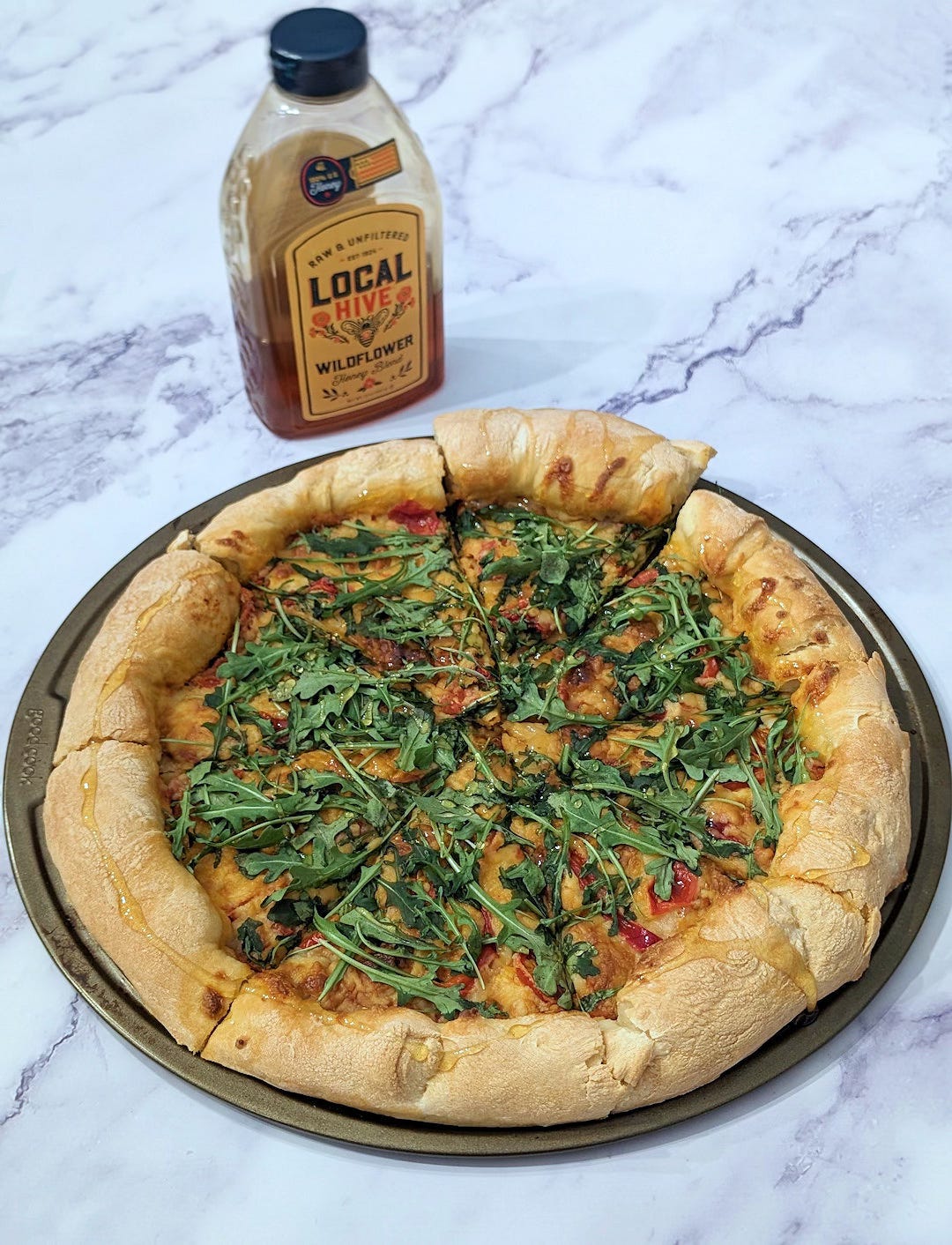
When you think of well known regional pizzas, New York and Chicago are probably two that come to mind. Less well known is the Colorado Mountain pie. The pie has a distinctive, thick braided crust and the dough is sweetened with honey instead of sugar and often served with more honey on the side. Invented at Beau Jo’s pizza restaurant in 1973, the pie can be found all over the state now, although typically not called Colorado Mountain pie since that’s been trademarked by Beau Jo’s. What they do have in common though is the crust, the honey and a ton of fresh toppings.
Rocky Mountain Oysters
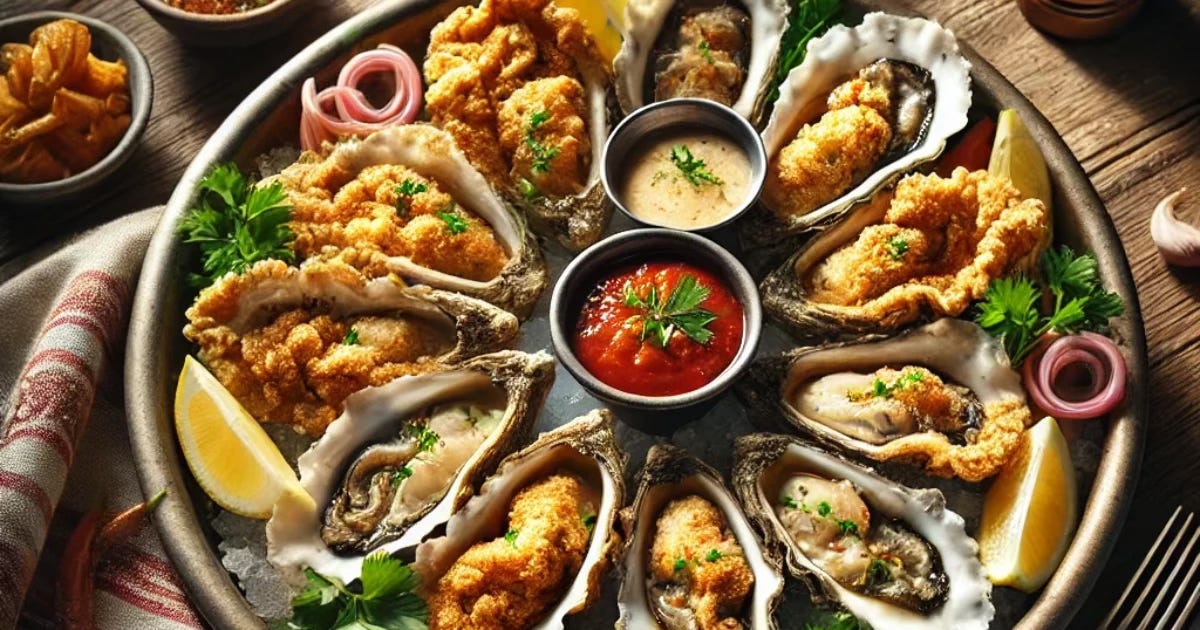
Prairie balls, prairie oysters, huevos de toro, cowboy caviar, Montana tenderloins, dusted nuts, or Rocky mountains Oysters. There are many names for this Fear Factor-level delicacy. Putting it simply they are bull testicles, and you can find them across the state, usually deep-fried after being skinned, coated in flour, pepper and salt, sometimes pounded flat and fried.
While I imagine the majority of people buying these are for the novelty or to prank an unknowing friend they are dining with, there are people who swear they are delicious. And of course they are purported to have some aphrodisiac powers, so there’s that. I’m gonna have to pass. Unless money is involved. I have no idea where you can purchase raw bull’s balls but I am including a recipe, so please let me know if you fry some up.
yeah all they got going on up there is cow dick